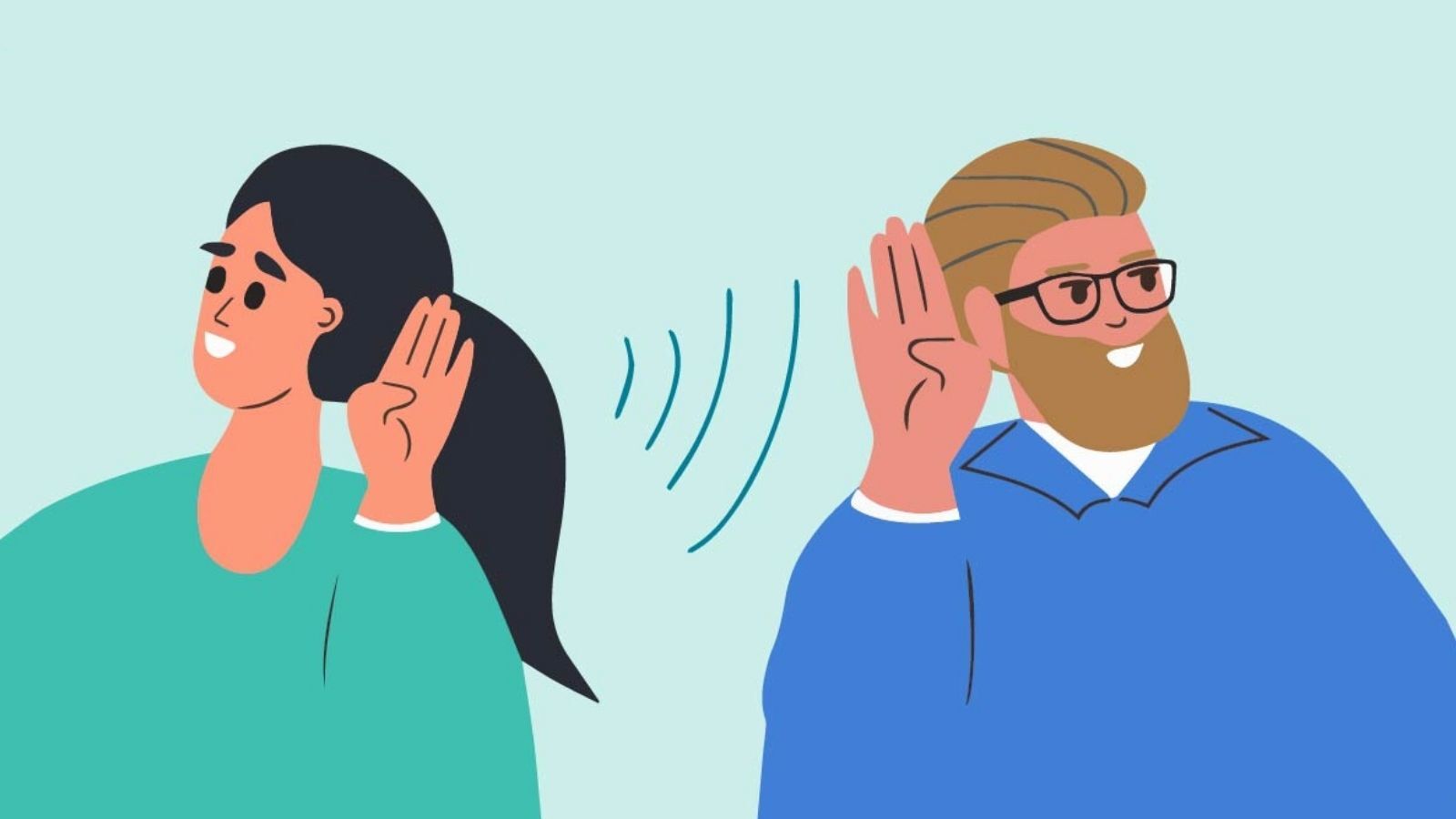
Have you started to notice any changes in your hearing?
Whether you find yourself needing the TV a little louder than usual, or constantly asking those around you to speak up, it might be worth looking into hearing loss.
While hearing loss is common as we age, it doesn’t always have to be an isolating or confusing experience. Age-related hearing loss, also referred to as presbycusis, develops in older adults gradually. Because of this, it can often go unnoticed in the early stages.
After the initial stage, symptoms may be clearer, including:
- Tinnitus
- Mental fatigue
- Requiring regular volume increases
- High-pitch loss
It’s more common than you think
Hearing Care Industry Association (HCIA) estimates that approximately 1 in 6 Australians are currently living with hearing loss. For people over 50, this number increases to 1 in 3. While this experience may seem frightening, you’re not alone. Services are available throughout Australia to ensure you have the support to navigate hearing loss and keep living life as you intend.
Understanding presbycusis
Presbycusis is the gradual loss of hearing in older adults. This is naturally occurring and will often impact both ears equally. In the early stages, it can include struggling with high-pitched noises or muffled sound when people speak. While this is common as adults age, pre-existing conditions like diabetes and cardiovascular disease can also accelerate the condition.
Although it might feel daunting, early intervention and support can make a difference. A hearing test is the first place to start with diagnosing and understanding potential hearing loss. This can help you understand your options for future planning without interfering with your independence.
Technology to support you
With the right technology, early detection and long-term management options are available to support you. Through your Support at Home package, you may also be entitled to financial assistance to access these supports.
- Hearing aids: commonly used for hearing loss. They use a microphone to capture sound, amplifiers to adjust volume, and a speaker to let you hear it all.
- Assistive listening devices: ALDs are used in specific situations, unlike hearing aids. These devices will be used for activities like watching television or talking to others.
- Smart integration: with your smartphone, you can connect your hearing aids to allow for music, calls, and general remote-control settings for your device.
- CROS devices: contralateral routing of signal (CROS) devices are suitable for people with one ear with hearing loss. This works by sending sound through a transmitter or microphone from the stronger ear to the poorer ear.
- BiCROS devices: bilateral contralateral routing of signal (BiCROS) devices are suitable for hearing loss in both ears. This also relies on having a transmitter or microphone send sound from the stronger ear to the poorer ear.
Ageing well with hearing loss
While hearing loss is common in ageing, you shouldn’t let it be a defining experience. It’s important to prioritise early testing and making the most of ongoing support services and devices that allow you to remain active and socially engaged.
If you or someone you care for is starting to notice signs of hearing loss, don’t wait to get support. Find an audiologist near you or reach out to your Care Partner who can help guide you to the right support.
Find an audiologist near you:
Visit audiology.asn.au/find-an-audiologist or reach out to our team to learn more:
Want to learn more?
At CatholicCare Sydney, we work closely with you to build a personalised care plan to best support your independence and needs.
Call CatholicCare Sydney on 13 18 19 to discuss your situation or request a call back from our friendly team.